Oils & Herbs
Plants have been used for generations in everyday life, cooking, skin care, and traditional herbal practices. Learning about them can help us better understand what they contain, how they are commonly used, and why some require a little more care than others.
Natural Details uses natural oils and herbs, including essential and infused oils, along with beeswax, to create our formulas. The information on this page is intended to help you learn more about the ingredients we use.
As you explore, you'll see a U or D beside each ingredient. These are simply my way of identifying ingredients that generally have fewer cautions and those that have additional things to consider. Be sure to read the Understanding U & D section below.
It is important to note that plant-based does not automatically mean appropriate for every person. Individual sensitivities, age, pregnancy or nursing, medications, health conditions, concentration, and method of use can all matter.

Aloe — U Used in: FIX, BRYSON
Aloe is best known for the gel found inside its thick leaves. It has a long history of topical use and is commonly included in skin-care preparations for its moisturizing and soothing qualities.

Arnica — D Used in: EASE
Arnica is a flowering plant traditionally used in topical herbal preparations. It is commonly found in preparations used for massage and on areas that feel tired or uncomfortable after activity. Arnica is intended for external use and requires additional care around broken or damaged skin.

Beeswax — U Used in: EASE, FIX, SOFT, BRYSON
In a topical formula, beeswax acts as an occlusive, creating a light protective layer on the skin that helps slow moisture loss. In Natural Details formulas, beeswax also helps create the smooth, stable base needed for our twist-up tubes.

Calendula — U Used in: SOFT, BRYSON
Calendula is the familiar bright orange or yellow flower sometimes called pot marigold. It has a long history in traditional topical preparations and is commonly included in skin-care preparations intended to moisturize and soothe dry or sensitive-feeling skin.
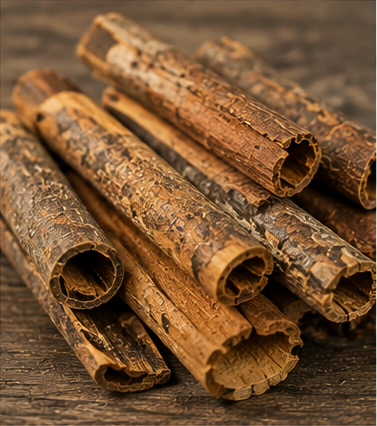
Cassia — D Used in: EASE
Cassia comes from the aromatic bark of a Cinnamomum tree and is closely related to cinnamon. Its naturally warm, spicy character makes it recognizable in aromatic and topical preparations. Cassia is a strong ingredient, so concentration and appropriate use matter.
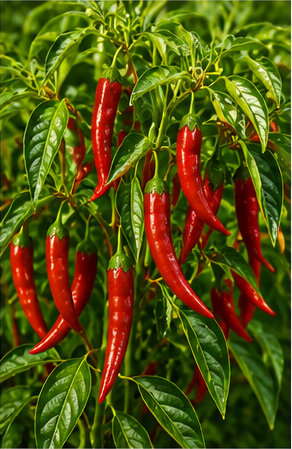
Cayenne — D Used in: EASE
Cayenne comes from Capsicum peppers and contains capsaicin, the natural compound responsible for their familiar heat. Because concentrated cayenne preparations can create a strong warming sensation, care is particularly important around the eyes and sensitive areas.

Cinnamon — D Used in: EASE
Cinnamon comes from the bark of Cinnamomum trees. Its warm, spicy aroma is familiar in cooking, but concentrated cinnamon oil is considerably stronger than the spice in your kitchen. Appropriate concentration is especially important when it is used topically.

Cloves are the dried flower buds of the clove tree. They contain eugenol, a naturally occurring compound responsible for much of clove's distinctive aroma and character. Because concentrated clove oil can irritate skin, the amount used in a topical formula matters.
Clove — D Used in: EASE

Ginger — U Used in: EASE, SOFT
Ginger is actually a rhizome, an underground plant stem commonly referred to as a root. Known for its warm, distinctive aroma, ginger has a long history of culinary and traditional use and is also found in topical and aromatic preparations.

Gotu Kola (Centella asiatica) is a small leafy plant with a long history of traditional use, particularly in Asian herbal practices. Today it is also commonly found in topical skin-care preparations.
Gotu Kola — U Used in: SOFT

Lavender is one of the most familiar aromatic herbs. Its flowers contain naturally occurring aromatic compounds that give lavender its distinctive scent. It has a long history of use in personal-care, aromatic, and topical preparations.
Lavender — U Used in: BRYSON

Lemon — D Used in: FIX, BRYSON
Lemon oil is obtained from the citrus fruit and is known for its fresh aroma. Some forms of lemon essential oil can be phototoxic, meaning sunlight or other ultraviolet exposure may require additional consideration after topical use. How the oil is produced and the amount used can make a difference

Menthol is a naturally occurring compound found in mint plants. When isolated, it forms clear or white crystals. Menthol creates the familiar cooling sensation associated with mint and is highly concentrated, which is why only a small amount is needed in a formula.
Menthol Crystals — D Used in: EASE

Niaouli — D Used in: FIX, BRYSON
Niaouli comes from a Melaleuca tree. Its leaves are used to produce an aromatic essential oil. Like other concentrated essential oils, its composition, concentration, and method of use matter.

Olive Oil — U Used in: EASE, SOFT, FIX
Olive oil comes from the fruit of the olive tree. In topical formulas it serves as a carrier oil, helping distribute other ingredients while also providing emollient qualities that help soften and condition the skin.

Orange — U Used in: SOFT
Sweet orange oil comes from the peel of the orange fruit and contains naturally occurring aromatic compounds, including limonene. Its familiar citrus aroma makes it a common ingredient in aromatic and personal-care preparations.

Peppermint — D Used in: EASE
Peppermint (Mentha × piperita) is a naturally aromatic plant containing menthol and other compounds responsible for its familiar cooling character. Peppermint essential oil is highly concentrated, so amount, age, and where it is applied are important considerations.

Plantain — U Used in: FIX, SOFT
Plantain (Plantago major) is a common leafy plant found in yards, fields, and along pathways. It has a long history of traditional topical use and is often included in herbal skin preparations.

Tea Tree — U Used in: FIX, SOFT, BRYSON
Tea Tree comes from Melaleuca alternifolia, a plant native to Australia. Its leaves are used to produce its distinctive essential oil, which has become a familiar ingredient in many topical skin and personal-care products.

Understanding U & D
As you explore the oils and herbs on this page, you'll see a U or D beside each name.
Undisturbed and Disturbed are terms I use to separate herbs and oils into two simple categories. They are not standard herbal classifications. They are simply my way of bringing awareness to the fact that some ingredients have more cautions associated with their use than others.
U — Undisturbed
Ingredients marked U generally have fewer special considerations when used appropriately.
D — Disturbed
Ingredients marked D does not mean an ingredient is dangerous or should be avoided. It simply means there is more you should know before deciding whether that ingredient is appropriate for you.
There is no need to be afraid of herbs and oils. The important thing is to understand them and use them appropriately.
Natural Details follows a Less IS More philosophy. Our formulas are carefully blended using only the amount of each ingredient needed for a well-balanced formula. Even so, everyone is different. Pregnancy or nursing, age, medications, health conditions, skin sensitivity, and other individual circumstances may affect whether an ingredient is appropriate for you.
Be informed. Read the cautions, do more information searching when you want to learn more, and make the choice that is right for you.
Things to Consider
Pregnancy & Nursing. Pregnancy and nursing are times to take additional care with herbs and oils. The appropriate use of an ingredient can depend on the particular plant, preparation, concentration, and method of use. Pay particular attention to product cautions and learn more about individual ingredients before deciding what is appropriate for you.
Children. Children's bodies and skin are different from those of adults, and age matters when using oils. Some oils appropriate for adults may require a lower concentration or may not be appropriate for infants or young children. Always follow the age recommendations and cautions provided with a product and keep oils and products containing them out of the reach of children.
Health Conditions & Medications. A health condition or medication can sometimes change what is appropriate for an individual. This does not mean herbs and oils must automatically be avoided. Learn about the ingredients you plan to use and whether cautions apply to your circumstances.
Skin Sensitivity. Some herbs and oils may irritate sensitive skin, particularly when they are highly concentrated. Individual sensitivities and allergies are also possible. If irritation develops after using a product, discontinue use.
Sun Exposure. Some oils can be phototoxic, meaning they may increase the skin's sensitivity to sunlight or other ultraviolet light. Not all citrus oils are phototoxic, and the way an oil is produced can make a difference. If an ingredient has a sun-exposure caution, learn about that particular oil and follow appropriate precautions.
Glossary
Capsaicin — A naturally occurring compound in peppers such as cayenne that produces their characteristic heat.
Carrier Oil — A plant-based oil used as a base to carry or dilute more concentrated ingredients such as essential oils. Olive oil is an example.
Concentration — The amount of a particular ingredient contained within a preparation. With highly concentrated plant materials such as essential oils, the amount used matters.
Dilution — Reducing the concentration of an ingredient by combining it with a larger amount of another substance, such as a carrier oil.
Emollient — An ingredient that helps soften, smooth, and condition the skin.
Essential Oil — A highly concentrated aromatic material obtained from a plant. Depending on the plant, it may come from flowers, leaves, peel, bark, roots, or other plant material.
Eugenol — A naturally occurring aromatic compound found in several plants and especially associated with the distinctive scent of clove.
Infused Oil — An oil made by allowing plant material to steep in a carrier oil so that oil-soluble components of the plant become part of the finished infusion.
Limonene — A naturally occurring aromatic compound found in the peels of many citrus fruits and responsible for part of their familiar citrus scent.
Menthol — A naturally occurring compound found in mint plants that produces a characteristic cooling sensation. In concentrated form, menthol can be isolated into crystals.
Occlusive — An ingredient that forms a light protective layer over the skin and helps slow the loss of moisture. Beeswax can serve this purpose in topical preparations.
Photosensitizer — A substance capable of increasing sensitivity to light. The term is sometimes encountered when reading about phototoxic essential oils.
Phototoxic / Phototoxicity — A reaction in which certain substances applied to the skin can increase sensitivity to sunlight or other ultraviolet light.
Rhizome — An underground plant stem that grows horizontally and can produce roots and shoots. Ginger is a familiar example.
Topical — Applied to the outside surface of the body, such as the skin.
Traditional Use — A use based on the history or customary practices associated with a plant. Traditional use does not by itself establish that a medical benefit has been scientifically proven.
Want to Learn More?
The world of herbs and oils is much larger than what we can cover on one page. If an ingredient interests you—or if you want to know whether a particular herb or oil is appropriate for your circumstances—keep learning.
The resources below are useful starting points for reliable information about plants, essential oils, botanical ingredients, and safe use. When researching online, consider who is providing the information, what sources they use, and whether they distinguish traditional use from established scientific evidence.
For information about herbs, botanicals, and complementary health approaches:
National Center for Complementary and Integrative Health (NCCIH)
For research-based information about plants, dietary supplements, and natural products:
NIH Office of Dietary Supplements
For botanical identification and plant science:
Plants of the World Online — Royal Botanic Gardens, Kew
For plant information and botanical databases:
For information about cosmetic products, ingredients, labeling, and U.S. regulations:
U.S. Food & Drug Administration — Cosmetics
FDA explains that moisturizing and appearance-related claims can fall within cosmetics, whereas claims to treat/prevent disease or affect the body's structure or function can change the regulatory status of a product.
FDA regulations are one reason I’ve kept this page focused on learning about the ingredients, rather than making promises about what Natural Details products may do for you.